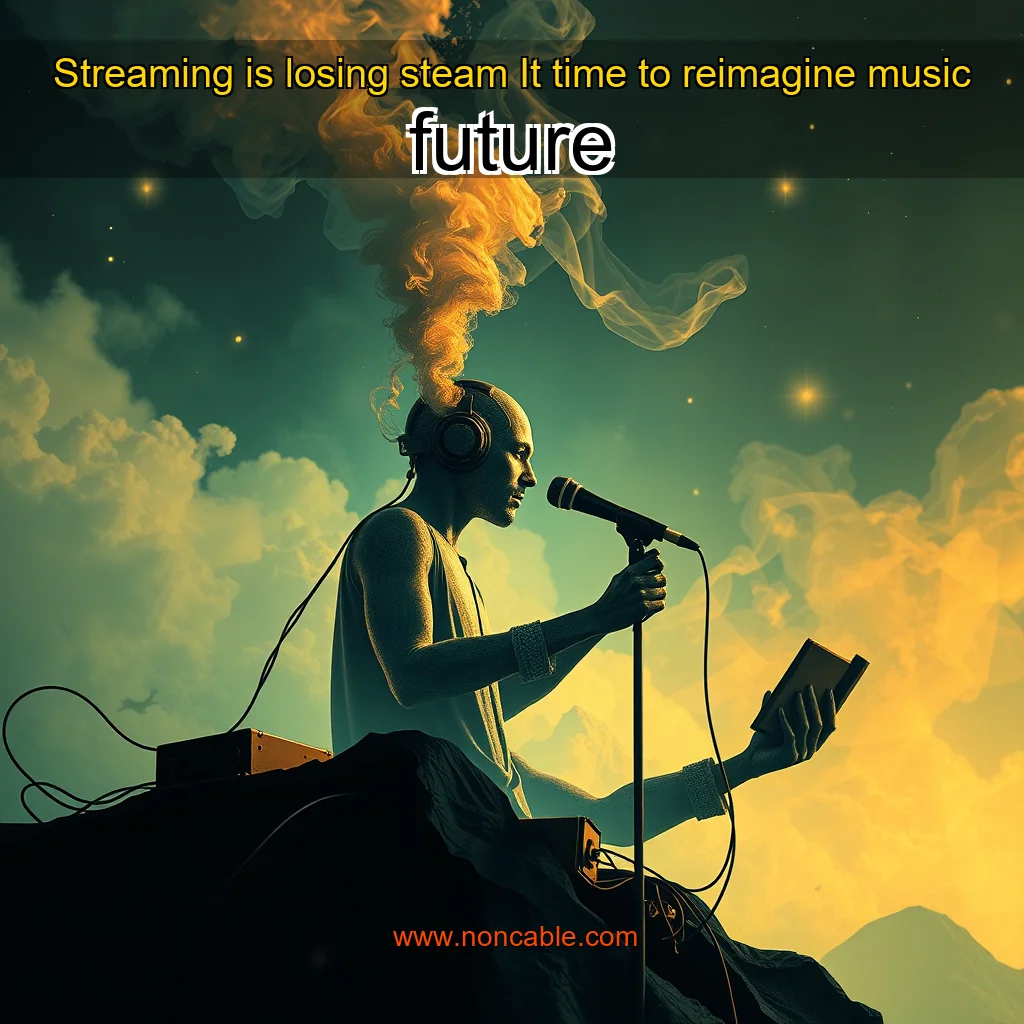
The Rise of Streaming: A Promising Beginning
In the early 2000s, streaming services like Spotify and Apple Music began to emerge, promising a new way for music lovers to access their favorite tunes. The idea was simple: pay a monthly fee, and you’d get access to millions of songs, playlists, and features that would make music discovery easier than ever. At the time, it seemed like a game-changer for the music industry.
The Financial Reality of the Music Industry
The music industry has experienced significant growth in recent years, with streaming services and physical music sales contributing to a substantial increase in revenue. However, the financial benefits of this growth are not being evenly distributed among artists. In fact, the majority of the revenue generated by streaming services and physical music sales goes directly to the companies that own these platforms, leaving artists with a relatively small share. The average artist receives only 10-15% of the revenue generated by their music on streaming services. The remaining 85-90% of the revenue is taken by the streaming companies, leaving artists with a meager profit. This disparity is even more pronounced in non-English speaking countries, where artists often struggle to gain traction and generate significant revenue.
The Impact on Non-English Speaking Countries
The music industry’s financial reality is particularly challenging for artists in non-English speaking countries. These artists often face significant barriers to entry, including limited access to resources, networking opportunities, and marketing channels. As a result, they are often unable to generate significant revenue from their music, making it difficult for them to sustain themselves as artists. The lack of representation and support from local music industry professionals can exacerbate the problem. The limited availability of music education and training programs can also hinder an artist’s ability to develop their skills and gain exposure. Furthermore, the dominance of English-language music in the global market can make it difficult for non-English speaking artists to break into the industry.
The Need for Change
The current financial reality of the music industry is unsustainable for many artists, particularly those in non-English speaking countries.
This is where the concept of “music streaming” comes in – a new paradigm that offers a more equitable and sustainable way for creators to monetize their work.
The Problem with Traditional Music Distribution
The traditional music distribution model has been in place for decades, with record labels and distributors controlling the majority of the revenue. This has led to a system where artists are often paid very little for their work, with some earning as little as $0.004 per stream. This is a far cry from the millions of dollars that top artists can earn from a single album. The problem is exacerbated by the fact that streaming services like Spotify, Apple Music, and TikTok are not paying artists fairly for their work.
Taking Control of Your Music Career: The Rise of Artist Entrepreneurship.
The Importance of Artist Entrepreneurship
In the music industry, the traditional model of artist management and label deals has been disrupted. With the rise of streaming and social media, artists now have more control over their careers than ever before. However, this shift also means that artists must take on more responsibility for their own success.
Key Characteristics of Artist Entrepreneurship
Building a Strong Fanbase
To succeed in this new landscape, artists must focus on building a strong fanbase from the outset. This involves:
The Role of Social Media
Social media plays a critical role in artist entrepreneurship. Artists can use platforms like Instagram, Twitter, and Facebook to:
Artists are finding new ways to monetize their creativity through subscription-based platforms.
Collaborating with brands can help artists tap into new revenue streams and expand their audience.
The Rise of Subscription-Based Platforms for Artists
The music industry is undergoing a significant transformation, driven by the rise of subscription-based platforms. These platforms offer fans exclusive content, personalized experiences, and premium concert tickets, providing a new revenue stream for artists.
Independent digital platforms empower artists to connect directly with their fans and retain more control over their creative output.
The Rise of Independent Digital Platforms
In recent years, the music industry has seen a significant shift towards independent digital platforms. These platforms, such as Bandcamp and Patreon, have given artists the power to connect directly with their fans and monetize their work in ways that were previously impossible.
Building a Support Team
Winamp’s support team is designed to help artists navigate the ever-changing music industry. With a focus on scalability, Winamp’s support team can grow and adapt to an artist’s needs as their career evolves. This means that artists can rely on a team of experts who can provide guidance and support at every stage of their journey. Key benefits of Winamp’s support team include:
- Personalized support tailored to each artist’s unique needs
- Access to a network of experienced professionals who can provide valuable insights and advice
- Scalable support that can grow and adapt to an artist’s evolving needs
- Loss of creative control: With AI-generated music, the creative process is being taken out of the hands of human musicians and producers. This raises questions about the value of human creativity and the role of AI in the music-making process. Homogenization of sound: The use of AI-generated music could lead to a homogenization of sound, where all music starts to sound the same. This could be detrimental to the diversity and uniqueness of music. New business models: The rise of AI-generated music could lead to new business models, such as subscription-based services that offer AI-generated music. This could disrupt traditional music industry business models. ## The Future of Music Creation**
Connecting Artists with Talent
Winamp’s job board is a powerful tool that connects artists with the right talent to help them achieve their goals.
The music industry is facing a new challenge: the rise of AI-generated music.
The Rise of AI-Generated Music
The music industry has been grappling with the concept of AI-generated music for several years now. The technology has advanced significantly, and it’s now possible to create music that sounds almost indistinguishable from human-created music. This has raised concerns among musicians, producers, and industry experts about the potential impact on the music industry. Key features of AI-generated music: + Can be created using algorithms and machine learning models + Can mimic the style of human musicians + Can be produced quickly and efficiently + Can be customized to fit specific genres or moods
The Impact on the Music Industry
The rise of AI-generated music has significant implications for the music industry. Some of the key concerns include:
The Future of Music Creation
As AI-generated music continues to advance, it’s likely that we’ll see a shift in the way music is created.
Winamp is a free, open-source music streaming service that allows artists to monetize their music directly, cutting out the middleman and giving them more control over their work.
The Problem with Traditional Music Streaming
Traditional music streaming services like Spotify and Apple Music have become the norm, but they come with a hefty price tag for artists. The platforms take a significant cut of the revenue, leaving artists with a meager share of the profits. This has led to a situation where many artists struggle to make a living from their music, despite its popularity. The average artist on Spotify earns around $0.004 to $0.0084 per stream. Apple Music pays artists around $0.01 to $0.015 per stream. These low payouts have led to a decline in music production and a decrease in the number of new artists entering the market.
A New Path Forward
Winamp offers a more equitable solution for artists. By allowing them to monetize their music directly, Winamp gives artists more control over their work and a greater share of the profits. This model has the potential to revolutionize the music industry and provide a more sustainable future for artists.

news is a contributor at NonCable. We are committed to providing well-researched, accurate, and valuable content to our readers.