
The Rise of Transactional Advertising
The shift from a focus on platforms to transactional data is a significant development in the digital advertising landscape. This change is driven by the increasing availability of data from various sources, including e-commerce platforms, social media, and online marketplaces. As a result, advertisers are now able to target their ads more effectively, using data to personalize their messages and increase conversions. Key benefits of transactional advertising include:
The Impact on Advertisers
The shift to transactional advertising is having a significant impact on advertisers. Many are now focusing on using data to inform their ad strategies, rather than relying solely on traditional metrics such as click-through rates and cost per click. This shift is driven by the increasing availability of data and the growing importance of customer experience. Key challenges facing advertisers in this new landscape include:
The Future of Digital Advertising
The future of digital advertising is likely to be shaped by the ongoing shift to transactional advertising. As data continues to become increasingly available, advertisers will be able to target their ads more effectively, using data to personalize their messages and increase conversions. This shift is likely to lead to a more personalized and effective advertising experience for consumers.
With the rise of retail media, the country is poised to become a major player in the global market.
The Rise of Retail Media
Retail media refers to the integration of digital media and retail to create a seamless shopping experience. This concept has been gaining traction in recent years, with many brands and retailers leveraging digital channels to reach their customers. The rise of retail media is driven by the increasing demand for personalized and immersive shopping experiences.
Key Features of Retail Media
The Impact of Retail Media on Indian E-commerce
India’s e-commerce market is expected to grow exponentially in the coming years, driven by the rise of retail media.
Embracing the Full-Funnel Approach to Drive Customer Engagement and Conversion.
The Evolution of Digital Marketing: A Full-Funnel Approach
The digital marketing landscape has undergone significant transformations in recent years. Gone are the days of traditional advertising methods, where brands relied solely on print and television ads to reach their target audience. Today, digital marketing has evolved into a sophisticated, multi-funnel approach that encompasses various channels and tactics to engage customers throughout their entire buying journey.
Understanding the Full-Funnel Approach
At its core, the full-funnel approach involves creating a seamless experience for customers across multiple touchpoints, from awareness to conversion. This approach recognizes that customers don’t just make a single purchase; they often engage with a brand multiple times before making a decision. By understanding this behavior, brands can tailor their marketing efforts to address each stage of the buying process.
Key Components of the Full-Funnel Approach
Leveraging Transaction Data for Personalized Advertising
One of the key benefits of the full-funnel approach is the ability to leverage transaction data to create personalized advertising experiences. By analyzing customer behavior and transaction history, brands can identify patterns and preferences that inform their marketing efforts. Customer Segmentation: Divide customers into distinct segments based on their behavior, demographics, and preferences. Personalized Messaging: Create targeted messaging that resonates with each segment, increasing the likelihood of conversion.
Streaming services are driving growth in the TV industry.
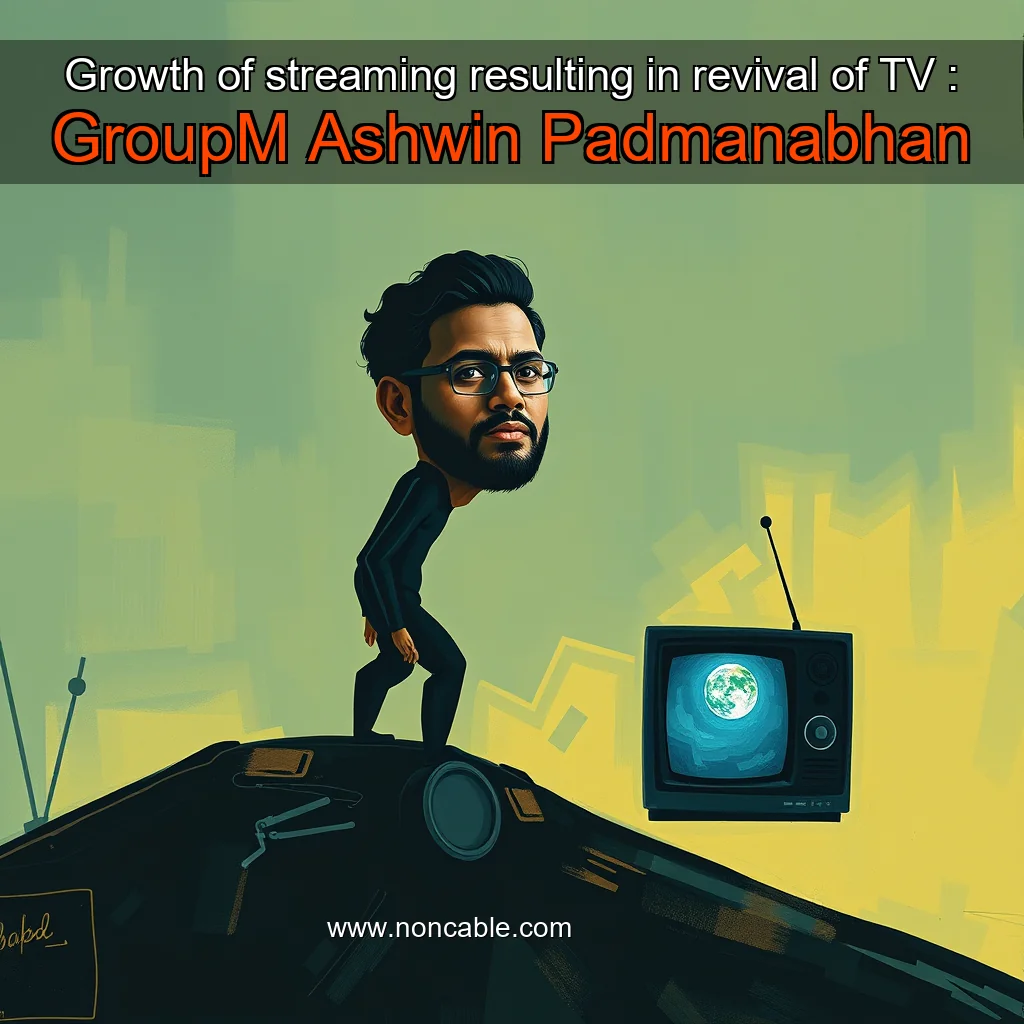
GroupM’s Padmanabhan: TV growth driven by streaming.
The Rise of Streaming and its Impact on TV Ad Spend
The television industry has undergone a significant transformation in recent years, with the rise of streaming services revolutionizing the way we consume television content. According to GroupM’s Padmanabhan, the growth of streaming has been a major driver of TV growth, with 26% of global TV ad spend now going to streaming platforms.
Key Statistics
The Impact on Traditional TV
The rise of streaming has had a profound impact on traditional TV, with many viewers opting for the convenience and flexibility of streaming services over traditional linear TV. According to a report by Deloitte, 70% of consumers prefer streaming services over traditional TV.
The Future of TV Advertising
As streaming continues to grow in popularity, the future of TV advertising is likely to be shaped by this trend. Advertisers are increasingly looking to streaming services as a way to reach their target audience, with many investing heavily in streaming advertising.
Case Study: GroupM’s Approach to Streaming
GroupM, a leading media agency, has taken a proactive approach to the rise of streaming.
Streaming in India is poised for significant growth driven by increasing internet penetration and smartphone adoption.
The Current State of Streaming in India
India’s streaming market is still in its nascent stages, with a relatively small number of players operating in the space. However, the market is expected to grow significantly in the coming years, driven by increasing internet penetration and the proliferation of smartphones. According to a report by the Internet and Mobile Association of India (IAMAI), the number of internet users in India is expected to reach 560 million by 2025, up from 340 million in 2020. Key statistics: + 560 million internet users expected by 2025 + 340 million internet users in 2020 + 70% of Indians aged 18-24 use the internet As the number of internet users in India increases, so too does the demand for on-demand content. This has led to a surge in the number of streaming services operating in the country, with new players entering the market every quarter. Some of the major players in the Indian streaming market include:
The Impact of Streaming on Advertising Spend
The growth of the streaming market in India is likely to have a significant impact on advertising spend. As consumers increasingly turn to streaming platforms for their entertainment needs, broadcasters and advertisers are likely to invest more heavily in these platforms.
TV Advertising in India Faces Challenges, but Opportunities Remain for Growth.
The State of TV Advertising in India
The Indian television industry has witnessed significant changes in recent years, with the rise of digital media and changing consumer behavior. According to GroupM’s latest TYNY report, the spending on TV stood at Rs 42,859 crore in 2024. This represents a decline of 10% from the previous year, highlighting the challenges faced by the linear TV industry.
Challenges Facing Linear TV
The decline in TV advertising spending can be attributed to several factors. Some of the key challenges facing linear TV include:
The Future of TV Advertising
Despite the challenges facing linear TV, there are still opportunities for growth. Some of the key trends that are expected to shape the future of TV advertising include:
This approach allowed them to sell more ad space and increase revenue.
Jio’s Innovative Approach to Advertising Sales
Jio, an Indian telecommunications company, has been making waves in the advertising industry with its innovative approach to selling ad space. The company’s strategy has been to disrupt the traditional advertising models and create new revenue streams.
Understanding the Traditional Advertising Model
The traditional advertising model, also known as the Cost Per Mille (CPM) model, has been the norm for decades. In this model, advertisers pay a fixed rate per 1,000 impressions (CPM) to reach their target audience. However, this model has its limitations.
CPM stands for cost per thousand impressions, which is the cost of showing an ad to 1,000 people. It’s not just about the cost of the ad itself, but also the cost of reaching the target audience.
Understanding CPM Pricing
CPM pricing is a common method used by advertisers to pay for ad space. It’s calculated based on the number of impressions, which is the number of times an ad is displayed to a user. The cost is then divided by the number of impressions to determine the cost per thousand impressions.
How CPM Pricing Works
The Hidden Costs of CPM Pricing
While CPM pricing may seem like a straightforward way to pay for ad space, there are several hidden costs that advertisers need to consider. Targeting costs: Advertisers need to pay for targeting, which involves selecting specific demographics, interests, and behaviors to reach their target audience. Premium environments: Advertisers may pay more for ad space in premium environments, such as news websites or social media platforms.
Reach a large audience in real-time with FCT advertising, increasing engagement and driving brand awareness.
FCT is a type of advertising that allows a brand to reach a large audience in real-time, without the need for pre-planned content.
The Benefits of FCT Advertising
FCT advertising offers several benefits to brands looking to reach a large audience in real-time. Some of the key advantages include:
“They’re looking for a way to reach a younger demographic and to create a buzz around their brand.”
The Rise of Digital-Only Shows
In recent years, the television landscape has undergone a significant transformation. The rise of digital-only shows has become a major trend in the advertising industry.
Advertisers are willing to pay more for ads that reach a specific audience.
The Rise of Digital Advertising
The way advertisers make decisions about where to spend their money is changing. With the rise of digital platforms, more and more viewers are turning to online channels to watch their favorite shows, including Shark Tank. According to Padmanabhan, this shift is driven by the desire for high-quality content that resonates with specific audiences.
The Benefits of Targeted Advertising
The Impact of Shark Tank on Digital Advertising
Shark Tank has become a prime example of high-quality content that resonates with specific audiences. The show’s success on digital platforms has shown that advertisers are willing to pay more for ads that reach a specific audience.
The Rise of Digital Platforms
Indian Advertising Market Sees Significant Growth with Digital Advertising Spend on the Rise.
The Indian Advertising Market: A Growing and Dynamic Industry
The Indian advertising market has experienced significant growth over the past few years, with a compound annual growth rate (CAGR) of 8.8% from 2020 to 2024. This growth is expected to continue, with the market projected to reach Rs 2,00,000 crore by 2025.
Key Drivers of Growth
Several factors are driving the growth of the Indian advertising market. Some of the key drivers include:
Sectoral Breakdown
The Indian advertising market is diversified across various sectors, including:
Digital drives ad spending growth, outpacing overall market growth.
The Digital Revolution: A Key Driver of Ad Spending Growth
The GroupM TYNY Report 2025 highlights the significant role of digital in driving ad spending growth. Digital ad spending is expected to grow by 11.5% in the first half of 2025, outpacing the overall ad market growth of 5%. This growth is driven by the increasing adoption of digital channels by advertisers, as well as the continued improvement in digital advertising technology.
The digital landscape is dominated by social media platforms, with Facebook, YouTube, and Instagram being the most popular platforms.
The Rise of Digital Media in India
The Indian ad market has undergone a significant transformation in recent years, with digital media emerging as the leading platform for advertising.
Consumers are becoming more discerning and demanding, driving the growth of retail media advertising in India.
“They are becoming more discerning and more demanding. They want to be able to make informed decisions about the products they buy.”
The Rise of Retail Media Advertising in India
Retail media advertising is a growing trend in the Indian advertising industry. According to a report by Padmanabhan, a leading expert in the field, retail media advertising will account for 13.2% of all advertising in India by 2025. This growth is driven by the increasing demand for personalized and targeted advertising experiences.
Key Drivers of Retail Media Advertising Growth
The Benefits of Retail Media Advertising
Retail media advertising offers several benefits to both retailers and advertisers. Some of the key advantages include:
Capturing attention in a fragmented digital landscape requires a personalized approach.
Here are some key strategies to help marketers adapt to this new reality:
Adapting to the Fragmented Attention Economy
In today’s digital landscape, consumers are bombarded with an overwhelming amount of information. This has led to a phenomenon known as the “fragmentation of consumer attention.” With the rise of social media, online advertising, and other digital channels, consumers are exposed to a vast array of messages, each vying for their attention.
The Challenges of Capturing Attention
Strategies for Capturing Attention
To adapt to the fragmented attention economy, marketers must develop strategies that cater to the changing needs of consumers. Here are some key strategies to help marketers capture attention:
Personalization
The rise of digital media has led to a shift in how people interact with brands, products, and services. This shift has significant implications for businesses, marketers, and consumers alike.
The Rise of Digital Media
The proliferation of digital media has revolutionized the way people consume information and interact with brands. With the internet and social media, consumers now have access to a vast array of content, products, and services that were previously inaccessible.

news is a contributor at NonCable. We are committed to providing well-researched, accurate, and valuable content to our readers.