The Streaming Revolution: How Internet TV is Reshaping Home Entertainment Without Cable
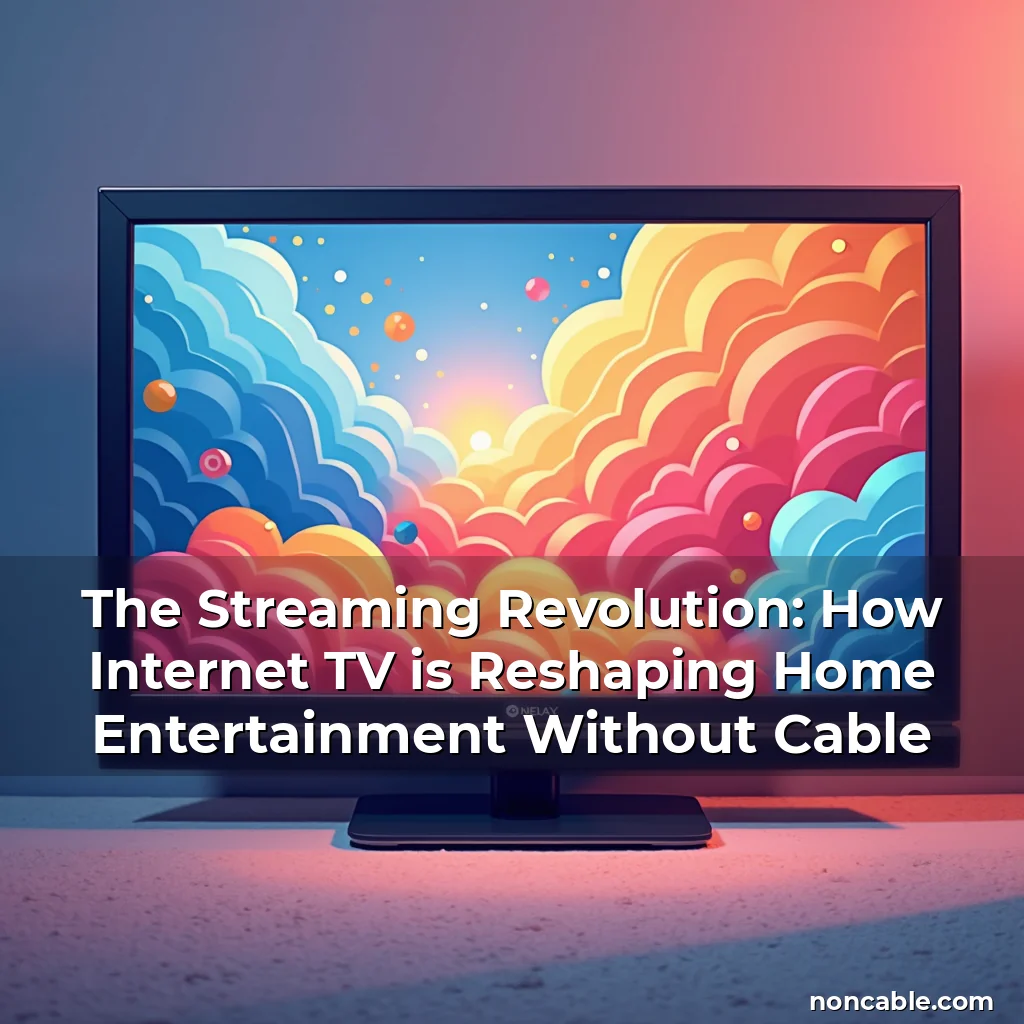
In an era defined by digital transformation, Internet TV has emerged as a powerful alternative to traditional cable television. This modern approach allows viewers to access their favorite shows, movies, sports, and news directly via the internet, eliminating the need for physical cables or satellite connections. As more households embrace cord-cutting, Internet TV continues to redefine how people consume media.
The rise of streaming services has sparked a cultural shift, empowering consumers to curate personalized viewing experiences tailored to individual preferences. With countless options available—from niche channels to global networks—Internet TV offers unprecedented freedom and choice.
Understanding What Internet TV Truly Means
Internet TV refers to the delivery of television programming over the internet rather than through traditional broadcast, satellite, or cable systems. It encompasses both live-streamed content and on-demand video services accessible via dedicated apps or web browsers. Unlike conventional TV, Internet TV eliminates geographical limitations and subscription bundles typically imposed by providers.
This form of entertainment leverages high-speed broadband connections to deliver crisp HD and even 4K resolution content seamlessly. Users can watch their preferred content anytime, anywhere, using smartphones, tablets, smart TVs, gaming consoles, or specialized streaming devices like Roku, Apple TV, or Amazon Fire Stick.
- Live vs. On-Demand: While many services offer live streams of popular channels, others specialize in curated libraries of films, series, and documentaries available for instant playback.
- Global Reach: International users benefit from localized content offerings, often unavailable on standard cable packages, enabling exploration of diverse cultures and languages.
Why Internet TV Outperforms Traditional Cable
Cord-cutters choose Internet TV primarily due to its affordability and flexibility. Traditional cable packages often come with hefty monthly fees, bundling unwanted channels alongside desired ones. In contrast, streaming services allow subscribers to pay only for content they actually want to watch.
Moreover, Internet TV provides greater control over scheduling. Viewers aren’t restricted by fixed broadcast times; instead, they can binge-watch entire seasons or catch up on missed episodes at their convenience. This adaptability caters particularly well to busy lifestyles and evolving work schedules.
The Financial Advantages of Cord-Cutting
Average cable bills hover around $100–$200 per month in most regions, depending on package selections and additional fees for premium channels or equipment rentals. Meanwhile, top-tier streaming services rarely exceed $20 per month individually, allowing customers significant savings when opting for single-service plans.
For instance, a family of four could save upwards of $1,200 annually by switching from a mid-range cable bundle ($150/month) to three separate streaming subscriptions totaling approximately $60/month. These figures highlight the economic incentive driving widespread adoption among budget-conscious consumers.
Diverse Array of Streaming Platforms Available Today
The market teems with numerous streaming platforms catering to varied tastes and budgets. From giants like Netflix and Hulu offering extensive libraries to niche providers specializing in particular genres or formats, there exists something suitable for almost every viewer preference.
Beyond general entertainment-focused services, industry-specific platforms abound—for instance, Disney+ targets fans of Marvel Comics and Star Wars franchises while YouTube Premium serves YouTubers’ exclusive content. Such specialization ensures broader representation across different demographics and interests.
Device Compatibility and Setup Essentials
To enjoy Internet TV comfortably, selecting compatible hardware is crucial. Most contemporary smart TVs already feature built-in support for popular streaming applications. However, older models may require external devices such as Google Chromecast sticks, Apple AirPlay adapters, or standalone boxes like Roku Express+
Setting up these devices involves minimal technical expertise. Typically, connecting the chosen gadget via HDMI port suffices, after which downloading respective app(s) completes configuration. Some advanced units might necessitate initial setup procedures involving account creation or network adjustments.
Optimizing Your Viewing Experience Through Smart Devices
Smartphones and tablets provide unmatched mobility, permitting access to streaming content during commutes or while traveling abroad. Many apps also enable cross-device synchronization, preserving progress across multiple screens effortlessly.
Gaming consoles like PlayStation 5 or Xbox Series X serve dual purposes—not only entertaining gamers but also functioning as robust multimedia hubs capable of running full-fledged streaming software alongside console-exclusive titles.
Evaluating Costs Across Different Subscription Models
While basic streaming tiers usually suffice for casual users seeking occasional movie nights, heavy viewers may find value in higher-priced subscriptions featuring ad-free viewing, ultra-HD resolutions, or unlimited simultaneous sign-ins. Understanding pricing structures helps identify optimal choices aligned with personal consumption habits.
Some services implement tiered pricing schemes wherein lower-cost versions contain advertisements whereas pricier alternatives grant commercial-free experience plus extra features like offline downloads. Consumers weighing these factors carefully ensure maximal satisfaction relative to expenditure levels.
Vast Selections Within Massive Content Libraries
One standout advantage of Internet TV lies in its expansive content catalogs. Leading platforms boast millions upon millions of titles spanning virtually every conceivable genre—including documentaries, animations, foreign-language films, educational videos, and more.
These vast repositories continually expand thanks to partnerships with production studios and independent creators alike who upload original material regularly. Thus, viewers never face shortages despite constantly changing trends within entertainment industries worldwide.
Exclusive Releases and Original Programming Highlights
Major streaming companies invest heavily into producing proprietary content exclusively available through their platforms. Shows like “Stranger Things” on Netflix or “The Mandalorian” on Disney+ exemplify productions crafted specifically for online distribution channels.
Such originals enhance subscriber loyalty significantly since loyal followers seek out new releases solely because they know they won’t find them elsewhere. Furthermore, these programs contribute positively toward building brand identities synonymous with quality storytelling techniques used frequently nowadays.
Futuristic Innovations Shaping Tomorrow’s Internet Television Landscape
Technological advances promise exciting developments poised to further revolutionize how we engage with digital media going forward. Emerging technologies include cloud-based computing solutions enhancing accessibility irrespective of local infrastructure capabilities.
Artificial intelligence integration aims to refine recommendation algorithms dramatically improving accuracy regarding user taste detection abilities thereby increasing overall enjoyment derived from watching sessions regardless of age group involved.
Immersive Experiences Enabled By Augmented Reality And Virtual Reality
Augmented reality overlays real-world environments digitally augmenting them visually thus creating interactive interfaces useful especially for children learning concepts interactively or adults playing games simultaneously watching shows.
Virtual reality headsets immerse wearers completely inside simulated worlds allowing first-person perspective experiences unattainable previously even with current display technologies. Both AR & VR represent potential game changers transforming passive consumption activities actively participatory engagements soon.
Challenges Faced By Adopters Transitioning To Internet Based Solutions
Despite myriad benefits associated with adopting Internet TV approaches certain hurdles remain prominent concerns deterring hesitant individuals still reliant upon legacy broadcasting methods. One primary issue relates directly back to reliability dependent entirely upon stable broadband connections.
Service interruptions caused either by provider-side outages affecting region wide populations or individual household level issues stemming from poor signal strength conditions